


What It Really Means to Be “Future-Ready” in Ed Tech
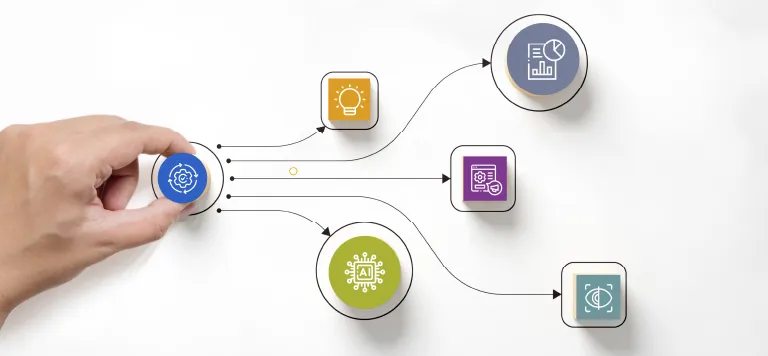
To be future-ready is to embrace a mindset defined by adaptability, clarity, and collaboration, rather than a focus on checking boxes.
Key Takeaways
“Future-ready” technology isn’t about chasing the newest tools; it’s about having adaptable, scalable systems that evolve with institutional goals and student needs.
Truly future-ready platforms demonstrate agility, scalability, student-centered design, and connectivity across systems to eliminate silos and inefficiencies.
Institutions that depend on manual processes, disconnected data, or short-term fixes signal a lack of future-readiness.
Being future-ready is ultimately a mindset—prioritizing adaptability, clarity, and collaboration to create systems that not only respond to change but drive it.
“Future-ready” might be one of the most misused phrases in higher education technology conversations today. It shows up in vendor pitches, RFPs, product roadmaps, and strategy decks, but too often, it’s left undefined or treated like a badge earned by adopting the latest tool.
In fact, being future-ready has less to do with what’s new and more to do with what works. It refers to your systems’ ability to evolve alongside your mission by adapting to changing student needs, shifting policies, and enrollment priorities that rarely stay still for long.
Defining Future-Ready in Real Terms
The term matters now more than ever. As institutions face tighter timelines, shifting demographics, and increasingly complex student journeys, the gap between short-term fixes and long-term strategies becomes harder to ignore.
To close that gap, institutions need ed tech that is not only built for today but designed to grow tomorrow as well.
Here’s what that looks like in practice:
1: Agility
Agile systems can flex and respond, whether that’s required by a mid-cycle change in enrollment goals, a new application policy, or a shift in communication preferences. Agility isn’t measured by how quickly you act but by how effectively you adapt. Systems should allow you to adjust outreach initiatives, pivot workflows, and experiment with new approaches without months of backend reconfiguration.
2: Scalability
Future-ready platforms scale without disruption. When a new program launches or student demand spikes, your tools should be able to keep pace, supporting both expanded functionality and increased volume without compromising performance or the user experience. Scalability also involves accommodating complexity, such as multiple learner types or modality options, without fragmenting support.
3: Student-Centered Design
Cutting-edge education technology doesn’t bury students in generic messages or force-fit them into static paths. It responds to behavior, personalizes communication, and helps staff anticipate needs. Features such as contextual reminders and intelligent workflows create the kind of engagement that builds trust and improves outcomes without overloading teams.
4: Connected Systems
Can your systems talk to each other in ways that reduce duplication, enhance decision making, and streamline the student experience? When data moves easily between platforms and across departments, the result is a more coordinated, insight-ready environment.
Understanding What Future-Ready Is Not
Future-ready is not:
- A single flashy platform that looks impressive but sits in a silo.
- A point solution that requires multiple workarounds to connect with your broader tech environment.
- A buzzword-heavy marketing pitch that emphasizes innovation without showing how it supports real student or staff needs.
How to Know If You’re Not There Yet
Teams relying on spreadsheets to bridge system gaps, or students receiving duplicate messages from different departments, are signs your ecosystem might be working against you rather than with you.
A few key indicators that your current ed tech may not be future-ready include:
- Staff rely on manual processes to complete basic tasks or track engagement.
- Data lives in silos, making it difficult to act quickly or share insights across teams.
- There’s no clear roadmap or ownership for evolving your technology and education strategy in step with institutional priorities.
These friction points affect internal operations while also slowing down student responses, stalling enrollment progress, and limiting your ability to personalize outreach at scale.
Rethinking Future-Ready as a Mindset
To be future-ready is to embrace a mindset defined by adaptability, clarity, and collaboration, rather than a focus on checking boxes. It’s the difference between systems that react to change and systems that help drive it.
That kind of momentum starts with asking the right questions:
- Do our tools align with how students actually engage?
- Are we building for long-term flexibility or short-term convenience?
- Is our tech environment supporting the people who rely on it every day?
The answers to those questions identify opportunities hidden within the gaps. Those opportunities make it possible to simplify what’s complex, connect what’s fragmented, and support the people doing the work with tools that actually work for them.
Liaison partners with institutions to build connected, resilient ecosystems that move in sync with student needs and institutional goals. If you’re ready to take a closer look at how your current systems are performing—and what it would take to become truly future-ready—download our whitepaper, Building a Future-Ready Ed Tech Ecosystem for Students, Staff, and Strategy or contact us soon to start the conversation.