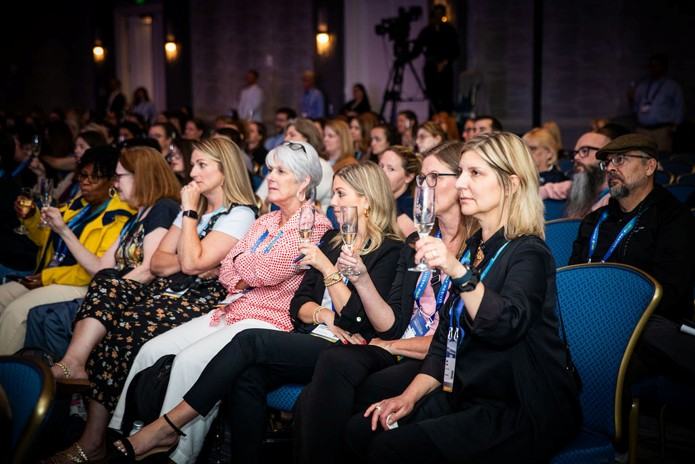
Curiosity, Community, and Charting the Course Forward
At experience: LIAISON | Baltimore, higher education leaders shared honest challenges, practical innovations, and a collective commitment to student success, demonstrating how collaboration helps chart the course forward.
Every conference has a mood. Some are dominated by big product announcements, while others are defined by the headlines everyone can't stop talking about. This year's experience conference in Baltimore felt different than a normal conference. It was thoughtful, optimistic, but not naïve. It was honest about the challenges facing higher education without becoming consumed by them. And that tone was established almost immediately.
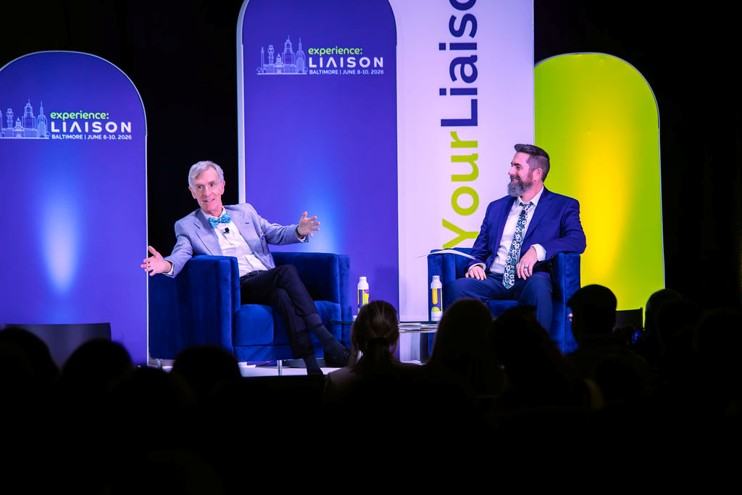
Our keynote conversation with Bill Nye did not follow a script. Instead, Bill wandered comfortably between science, education, democracy, curiosity, the responsibility we all share to keep asking better questions, and yes, ball bearings. He was funny, irreverent, and exactly the kind of conversationalist you hope for on stage. What stood out most, though, wasn't a particular joke or story. It was his quiet confidence that curiosity still matters, that learning, questioning, and exploring new ideas aren't just personal virtues, but essential ingredients for a healthy society. In many ways, that conversation became an unexpected introduction to the rest of the conference.
Over the next few days, enrollment leaders, student success professionals, admissions teams, and institutional partners told remarkably candid stories about the work they're doing. They talked openly about initiatives that exceeded expectations and projects that had to be rethought. They shared concerns about enrollment uncertainty, staffing, policy changes, artificial intelligence, and the difficult financial realities many institutions are navigating. They also shared something equally important: what they're learning along the way.
Technology was certainly part of the conversation, it always is when you get enrollment leaders together. We discussed artificial intelligence, analytics, communication platforms, and the growing importance of connected systems. But technology was only a part of a broader conversation, one that focused on the outcomes, the transformation, life changes produced by higher education.
Conversations focused on first-generation students finding the confidence to enroll because someone reached out at the right moment. They talked about coaches who noticed when a student was beginning to disengage. They described new ways of removing friction from complicated processes so prospect could focus less on paperwork and more on building a future.
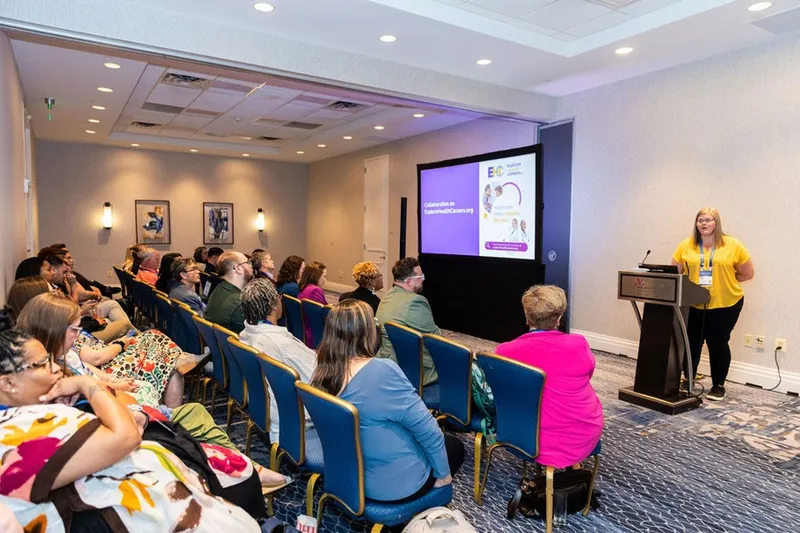
That perspective also gave new meaning to our conference theme: Charting the Course Forward. At first glance, it sounds like the kind of phrase every conference eventually adopts. But after spending several days in Baltimore, it felt much more literal than metaphorical; members of the Liaison community truly are charting a course. It was clear in the presentations, where institutions shared practical innovations instead of polished success stories. It was present during lunch conversations, where colleagues compared notes on challenges that have no easy answers. And it was obvious in those high-impact hallway conversations, where introductions quickly became collaborations.
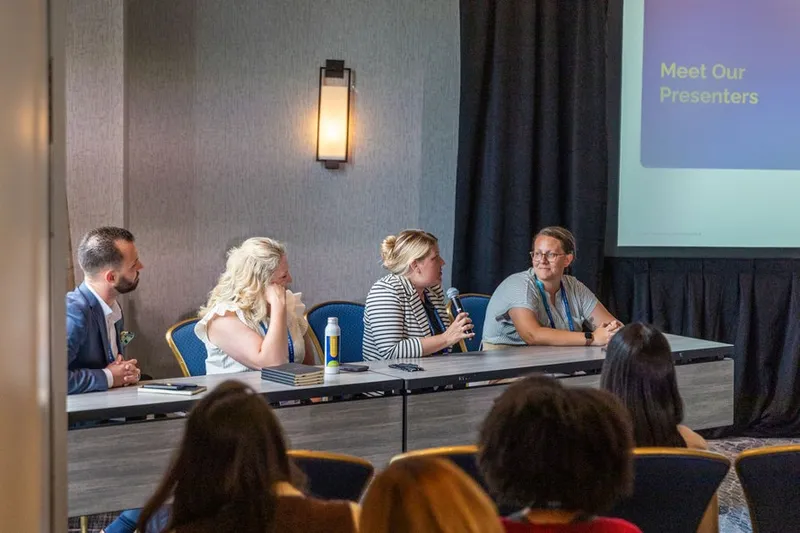
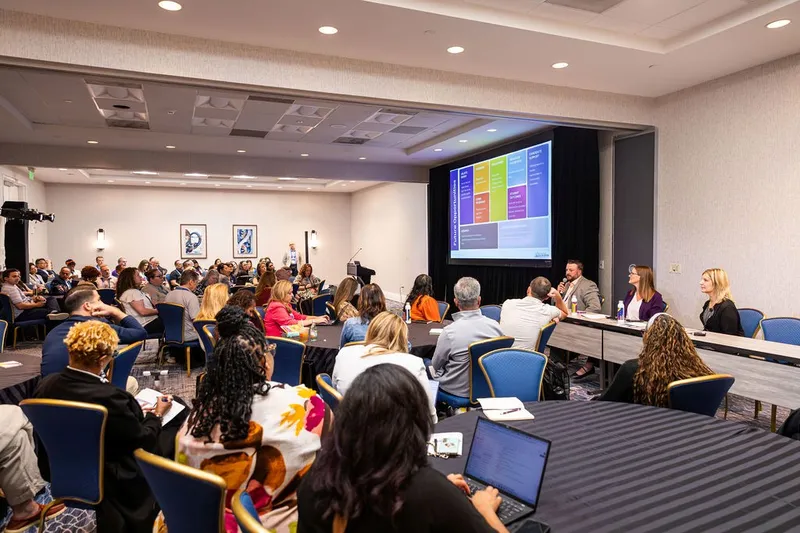
Higher ed veterans aren’t likely to believe the future will become simpler. The conversations weren't about waiting for stability to return. They were about building institutions that can adapt, continue learning, and keep serving students regardless of what comes next.
Baltimore was a great host city for that kind of conversation. It's a city shaped by resilience, positioned within one of the country's great higher education corridors, and grounded in a history that remains visible without overshadowing what's being built today. There's a pragmatism to Baltimore that feels earned. It acknowledges where it's been while continuing to invest in where it's wants to go.
In fact, that description of Baltimore is probably a fair description of higher education, or maybe even of Liaison. For 35 years, we've had the privilege of partnering with institutions through periods of growth, transformation, uncertainty, and renewal. If this year's conference reinforced anything, it's that Liaison’s work has never been solely about technology. Liaison’s entire ethos is about helping institutions create opportunities for students, strengthening the communities they serve, and learning together as the landscape continues to evolve.
When participants think back on experience: LIAISON 2026, they may not remember every slide or every session. But they will definitely remember the conversations, the people sharing ideas generously, asking thoughtful questions, and leaving with new relationships and new perspectives.
In the end, charting the course forward isn't something one company or one institution does alone, it's something we do together.